Roof Damage
Leaks, missing shingles, and an aging roof can lead to water damage and larger repair costs.
Michigan Homeowner Guide
A property that needs repairs can still be sold. This guide explains how to evaluate repair costs, compare your selling options, and choose a path that fits your goals and timeline.
Discuss Your Property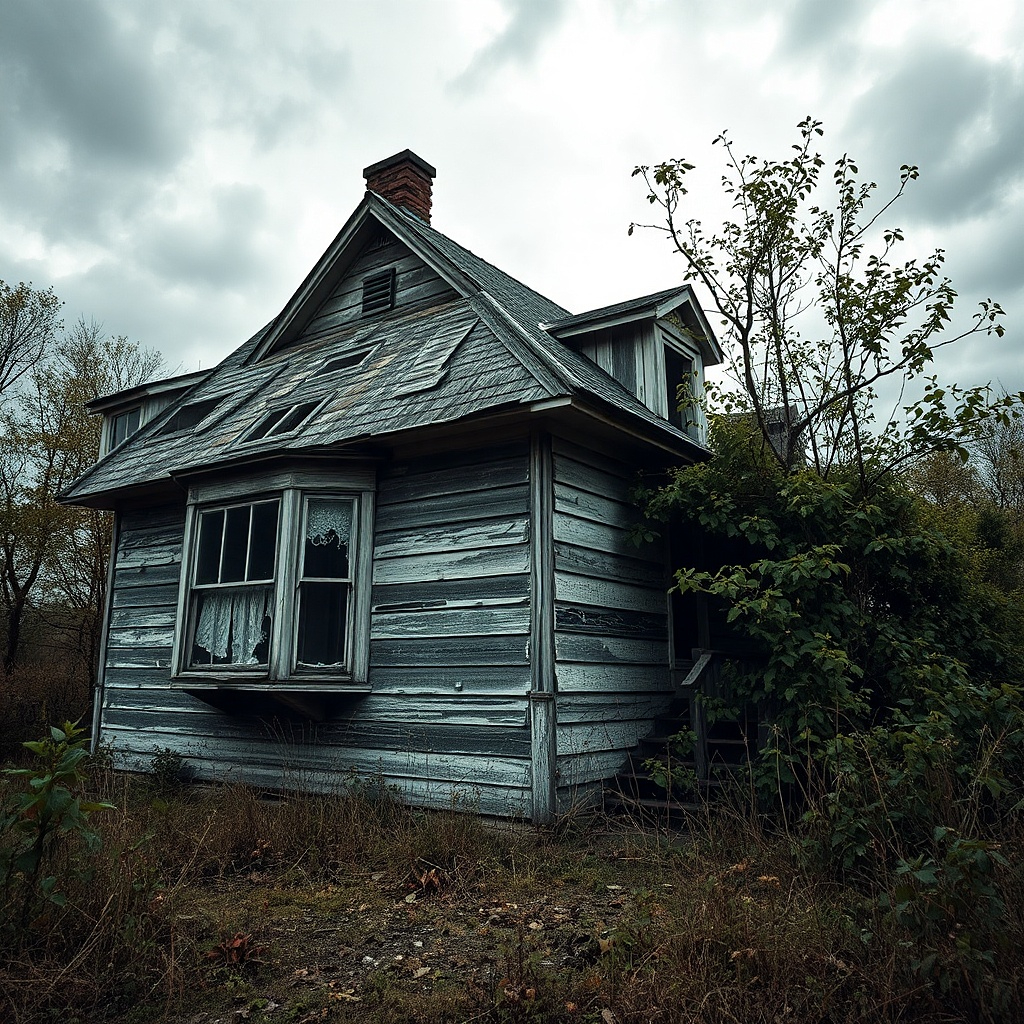
Understanding Your Situation
Many homeowners believe they must repair every problem before selling. That may be helpful in some situations, but it is not the only available option.
Major repairs can require contractors, permits, money, and several weeks or months of work. Before starting, compare the potential benefit with the cost and time involved.
FAHOPROSO reviews properties in their current condition and helps Michigan homeowners understand practical selling options without pressure.
Important Guidance
A renovation does not automatically guarantee a higher profit. Contractor costs, delays, permits, holding expenses, and market changes can affect the final result.
Consider getting qualified inspections or estimates when needed before making major financial decisions.
Common Repair Issues
Some repairs are cosmetic, while others may affect safety, financing, insurance, or the property's overall value.
Leaks, missing shingles, and an aging roof can lead to water damage and larger repair costs.
Cracks, settling, moisture, and structural movement may require professional evaluation.
Plumbing leaks, basement moisture, and mold concerns can affect the condition of the home.
Older systems, damaged wiring, leaks, and outdated materials may need repair or replacement.
An aging furnace, air conditioner, or water heater can become a major expense.
Old kitchens, bathrooms, flooring, paint, and fixtures may reduce buyer interest but are often cosmetic.
Quick Facts
Identify the major issues affecting the property.
Understand the likely cost and timeline of repairs.
Consider repairing, listing, or selling as-is.
Select the option that best supports your goals.
Decision Process
Every property is different, but these steps can help you review the situation before making a final decision.
Your Options
The best choice depends on the property's condition, your budget, your timeline, and how involved you want to be.
Repairing the property may improve its appearance and market value, but it requires time, money, and contractor management.
Selling in the current condition can reduce preparation time and avoid the cost and stress of major repairs.
Some homeowners complete only essential or affordable repairs before offering the property for sale.
Frequently Asked Questions
Yes. The condition should be disclosed and considered during the evaluation, but a property does not always need to be repaired before it can be sold.
Not necessarily. You can compare the replacement cost and expected benefit with the option of selling the property in its current condition.
Yes. Buyers and investors may consider damaged properties, although the condition can affect value, insurance, financing, and the transaction process.
An inspection can help identify unknown concerns, but whether you need one depends on your goals and selling method.
Not always. The amount of cleaning or removal required depends on the agreement and the selling option you choose.
Location, condition, repair costs, market activity, comparable sales, and holding expenses may all be considered.
Need More Information?
If your house needs repairs, we can help you understand the property's condition and explore the options available to you.
Contact us