Security Concerns
Empty homes may be more vulnerable to break-ins, vandalism, or unauthorized entry.
Michigan Homeowner Guide
A vacant property can create security, maintenance, insurance, and financial concerns. This guide explains how to protect the home, compare your options, and prepare for a possible sale.
Discuss Your Property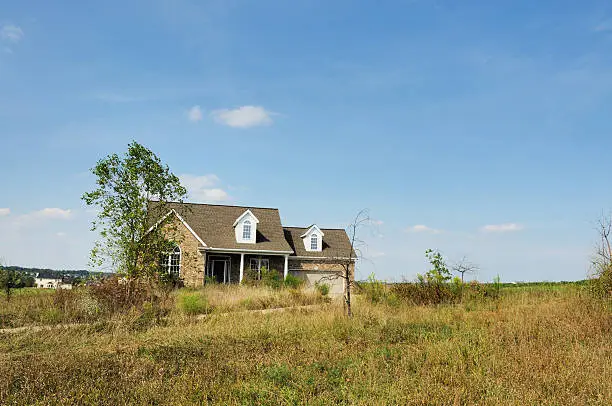
Understanding Your Situation
A vacant house may no longer have someone watching for leaks, storm damage, heating problems, broken windows, or other concerns.
Taxes, insurance, utilities, lawn care, and maintenance can also continue even when nobody lives in the property.
Reviewing the home regularly and understanding your long-term plan can help reduce risk and avoid larger problems.
Important Guidance
Some insurance policies have different requirements or limitations when a home is vacant for an extended period.
Contact your insurance provider to confirm coverage and ask whether additional protection or regular inspections are required.
Common Challenges
Empty homes may be more vulnerable to break-ins, vandalism, or unauthorized entry.
Frozen pipes, roof leaks, storms, and moisture can cause damage when nobody is present.
Taxes, insurance, utilities, lawn care, and repairs may continue each month.
Grass, snow, plumbing, heating, pests, and exterior conditions still require attention.
Standard coverage may change when a home remains vacant for an extended period.
Small problems can become expensive when they are not noticed and repaired quickly.
Quick Facts
Protect doors, windows, utilities, and access points.
Inspect the home and address problems early.
Understand taxes, insurance, utilities, and repairs.
Keep, rent, repair, or sell based on your goals.
Property Review
These general steps can help you organize the situation and prepare for your next decision.
Your Options
Your decision may depend on the home's condition, location, ongoing costs, and your long-term goals.
You may keep the home for future personal use or as a long-term investment.
Renting may provide income but requires preparation, maintenance, management, and tenant responsibilities.
Selling may reduce ongoing expenses and remove the responsibility of maintaining an empty home.
Frequently Asked Questions
Yes. A vacant house can be sold, but its condition, security, insurance, title, and ongoing expenses should be reviewed.
That depends on the season, property condition, insurance requirements, and whether inspections or repairs are needed.
Coverage may change after a property has been vacant for a certain period. Confirm the details with your insurance provider.
Not always. Compare the cost and timeline of repairs with the option of selling the property in its current condition.
No. Some sellers use staging, but it is not required for every selling method or property.
Yes. Selling as-is may be an option when you prefer not to complete repairs, cleaning, or updates before the sale.
Need More Information?
FAHOPROSO can help you review the condition of your vacant house and better understand the options available.
Contact FAHOPROSO